

Automated temperature monitoring systems are digital solutions that continuously track and record temperature conditions in storage environments without human intervention. These systems use sensors, cloud connectivity, and alert mechanisms to maintain precise climate control for sensitive inventory.
Businesses handling temperature-sensitive goods face mounting pressure to protect product integrity while meeting strict regulatory requirements. From pharmaceutical companies storing vaccines to food distributors managing cold chains, organizations across industries are shifting away from manual monitoring methods. By adopting automated temperature monitoring, they gain real-time accuracy, eliminate human error, and streamline compliance. The investment in automation addresses multiple operational pain points simultaneously.
The appeal of these systems extends beyond basic temperature tracking. Companies gain:
- Enhanced safety through continuous oversight of critical storage conditions
- Regulatory compliance with automated documentation and audit trails
- Operational efficiency by eliminating time-consuming manual checks
- Cost savings through reduced spoilage and product loss
This technological shift represents a strategic response to both regulatory demands and practical business challenges in managing perishable inventory.
Why Are Businesses Prioritizing Product Safety and Compliance?
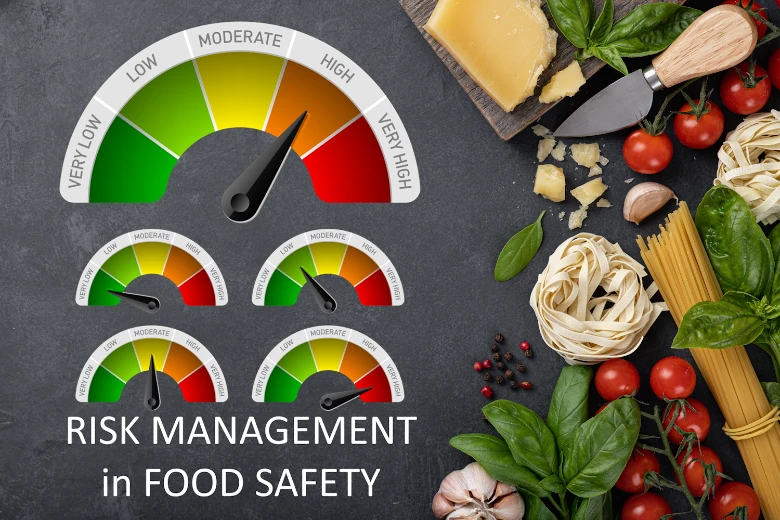
Product safety relies heavily on maintaining specific temperature ranges during storage and transport. Vaccines lose effectiveness when exposed to temperatures outside 2-8°C, while frozen foods can develop harmful bacteria if temperatures exceed -18°C. These precise limits leave no room for uncertainty.
Regulatory compliance requires businesses to provide verifiable evidence of proper temperature control. The FDA mandates pharmaceutical companies to keep detailed temperature logs as per 21 CFR Part 11, while food businesses must adhere to FSMA regulations. Automated monitoring systems produce time-stamped records that meet these strict requirements without any manual effort.
The consequences of failing to comply go beyond just spoiled products:
- Legal penalties: Violating FDA regulations can result in fines exceeding $250,000 for each incident
- Product recalls: Even a single instance of temperature deviation can lead to expensive recalls affecting entire batches
- License suspension: Repeated violations may result in the shutdown of facilities or restrictions on operations
- Reputation damage: Public safety incidents can erode customer trust and diminish brand value
Perishable goods involve significant financial investments that automated systems help safeguard. A restaurant with $50,000 worth of inventory or a pharmacy managing $200,000 in biologics cannot afford any temperature failures. Automated monitoring establishes a documented chain of custody proving that products remained within safe limits from the moment they were received until they were distributed, thereby protecting both consumers and business interests.
How Does Real-Time Monitoring Enhance Business Operations?
Real-time monitoring transforms temperature oversight from a reactive process into a proactive management tool. Automated systems deliver continuous 24/7 access to temperature data across all storage locations, creating an uninterrupted stream of information that manual checks simply cannot match.
1. Instant Alerts for Quick Response
Instant alerts serve as the backbone of operational responsiveness. When temperatures deviate from preset parameters, notifications reach designated personnel immediately through multiple channels—text messages, emails, or dashboard alerts. This rapid communication enables teams to address problems within minutes rather than hours.
2. Critical Incident Management
The impact becomes clear during critical incidents. Consider a refrigeration unit experiencing equipment malfunction detection at 2 AM. Without automation, the issue might go unnoticed until morning rounds, potentially compromising thousands of dollars in inventory. Automated systems identify the malfunction instantly, triggering alerts that bring maintenance teams into action before significant damage occurs.
3. Power Outage Preparedness
Power outages present another scenario where speed matters. Real-time monitoring tracks backup systems and temperature fluctuations during electrical failures, allowing businesses to:
- Deploy portable cooling units to affected areas
- Transfer products to alternative storage locations
- Document the incident timeline for insurance claims
- Assess which inventory remains viable
In such situations, understanding how to manage power outages becomes crucial. This ability to respond quickly minimizes product loss through timely intervention, protecting both revenue and customer trust.
How Does Automation Reduce Manual Labor and Errors?
Reduced Manual Labor
Automated temperature monitoring eliminates the need for staff to perform routine manual checks throughout the day and night. Traditional monitoring requires employees to physically visit storage areas, record readings, and log data—tasks that consume significant time and resources across multiple shifts.
Increased Efficiency
The automation benefits extend beyond simple time savings. Staff members previously assigned to temperature monitoring can redirect their efforts toward value-adding activities like inventory management, quality control initiatives, or customer service improvements. This reallocation of human resources creates operational flexibility that many businesses find essential for growth.
Prevention of Human Error
Human error prevention represents a critical advantage of automated systems. Manual temperature recording introduces multiple points where mistakes can occur:
- Misreading thermometer displays
- Transcription errors when transferring data to logs
- Missed checks during busy periods or shift changes
- Inconsistent recording intervals
- Lost or damaged paper records
Automated sensors capture precise measurements at consistent intervals without variation. Digital systems timestamp each reading and store data securely, creating an unbroken chain of documentation. This reliability proves especially valuable during audits when businesses must demonstrate consistent monitoring practices. The elimination of handwritten logs removes ambiguity about whether readings were actually taken at required times, addressing a common compliance concern that explains why businesses are investing in automated temperature monitoring systems for their operations.
What Are the Cost Savings Associated with Automated Temperature Monitoring?
Cost savings from automated temperature monitoring come directly from preventing financial losses that happen when products go outside safe temperature ranges. One refrigeration failure can destroy thousands of dollars worth of inventory within hours, making spoilage prevention a critical return on investment.
The financial impact goes beyond immediate product loss. Businesses also face costs from:
- Replacement inventory expenses
- Emergency shipping to fulfill orders
- Customer refunds and compensation
- Damage to brand reputation and customer trust
Inventory protection through automated systems delivers long-term savings by keeping products intact from receipt to distribution. For example, temperature-controlled pharmaceuticals can lose effectiveness if exposed to improper conditions even for a short time, making entire batches unsellable.
Another potential source of losses comes from non-compliance penalties. Regulatory violations can lead to fines ranging from thousands to millions of dollars depending on the industry and severity. Failed inspections may require temporary facility closures, completely stopping revenue generation.
Typically, automated monitoring systems pay for themselves within the first year just through losses that have been prevented. This technology gets rid of the chain reaction costs that come with temperature issues—like wasted products, regulatory fines, lost contracts, and a weaker market position.
How Do Automated Systems Improve Reporting and Documentation?
Automated temperature monitoring systems change record-keeping from a slow manual process into an easy digital workflow. Built-in automated reporting features capture every temperature reading with precise timestamps, creating comprehensive logs that satisfy regulatory requirements without staff intervention.
When inspectors arrive for audits, businesses can instantly generate detailed reports spanning any timeframe. The system compiles data into professional formats that clearly show temperature compliance patterns, excursion events, and corrective actions taken. This documentation audit readiness eliminates the stress of scrambling through handwritten logs or spreadsheets during inspections.
Regulatory bodies across food safety, pharmaceutical, and healthcare sectors demand meticulous temperature records. Automated systems produce these documents with accuracy that manual methods cannot match—no illegible handwriting, missing entries, or calculation errors. The digital trail provides irrefutable evidence of proper storage conditions.
The administrative burden drops dramatically when temperature documentation becomes automatic. Staff members who previously spent hours compiling weekly or monthly reports can redirect that time toward value-adding activities. The system handles the tedious work of organizing data, identifying trends, and flagging anomalies.
Many platforms offer customizable report templates that align with specific regulatory frameworks like FDA 21 CFR Part 11 or EU GDP guidelines. Businesses can schedule automatic report generation and distribution to stakeholders, creating a seamless compliance workflow that operates in the background while teams focus on core operations.

Why Is Automation Vital Amid Staffing Challenges?
Labor shortages have created significant operational pressures across warehouses and storage facilities. Many businesses struggle to fill positions responsible for routine temperature checks, leaving critical monitoring tasks vulnerable to gaps in coverage. Manual temperature monitoring requires dedicated personnel to physically inspect storage areas multiple times per shift—a resource-intensive process that becomes unsustainable when positions remain unfilled.
How Automated Temperature Monitoring Systems Help
Automated temperature monitoring systems address these staffing challenges by eliminating the need for constant human presence in monitoring activities. Here’s how:
- Continuous Tracking: Sensors continuously track temperature conditions without requiring staff intervention, ensuring that critical data collection continues regardless of workforce availability.
- Rigorous Oversight: This technology allows businesses to maintain rigorous oversight standards even when operating with reduced teams.
- Reliable Monitoring: These systems provide more reliable monitoring than manual methods, as they never miss scheduled checks due to sick days, shift changes, or competing priorities.
- Resource Optimization: Businesses can redeploy existing staff to value-added activities like inventory management, quality control, or customer service rather than routine data collection tasks.
Tackling Cold Storage Challenges with Automation
In the realm of cold storage warehousing, the need for automation is even more pronounced. As highlighted in this resource on transforming cold storage warehousing, automation not only addresses staffing shortages but also helps in tackling various challenges associated with cold storage operations.
The Importance of Consistent Protection Standards
Temperature-sensitive operations maintain consistent protection standards through automated monitoring, regardless of hiring difficulties or employee turnover. This reliability proves essential for businesses where product integrity depends on uninterrupted temperature control, making automation a strategic necessity rather than merely a convenience in today’s challenging labor market.
Conclusion
Why are businesses investing in automated temperature monitoring systems? The answer lies in the measurable gains in operational efficiency and product quality assurance that directly affect their profits. Companies dealing with temperature-sensitive inventory understand that automation changes monitoring from a reactive task into a proactive business strategy.
The benefits of business investment go beyond just tracking temperature. Organizations also gain:
- Reduced product loss through instant alerts for deviations
- Lower compliance risks with automated documentation
- Decreased labor costs while maintaining consistent monitoring
- Enhanced reputation through reliable product quality
Automated temperature monitoring represents a strategic change in how businesses protect their assets and fulfill regulatory requirements. The technology solves multiple operational challenges at once—from staffing limitations to compliance needs—while providing measurable returns through preserved inventory and smoother processes. For companies handling pharmaceuticals, food products, or other temperature-sensitive goods, automation has become an essential part of their infrastructure that ensures both product safety and profitability.
Click here: How Wireless Temperature Monitoring Enhances Food Safety and Accuracy