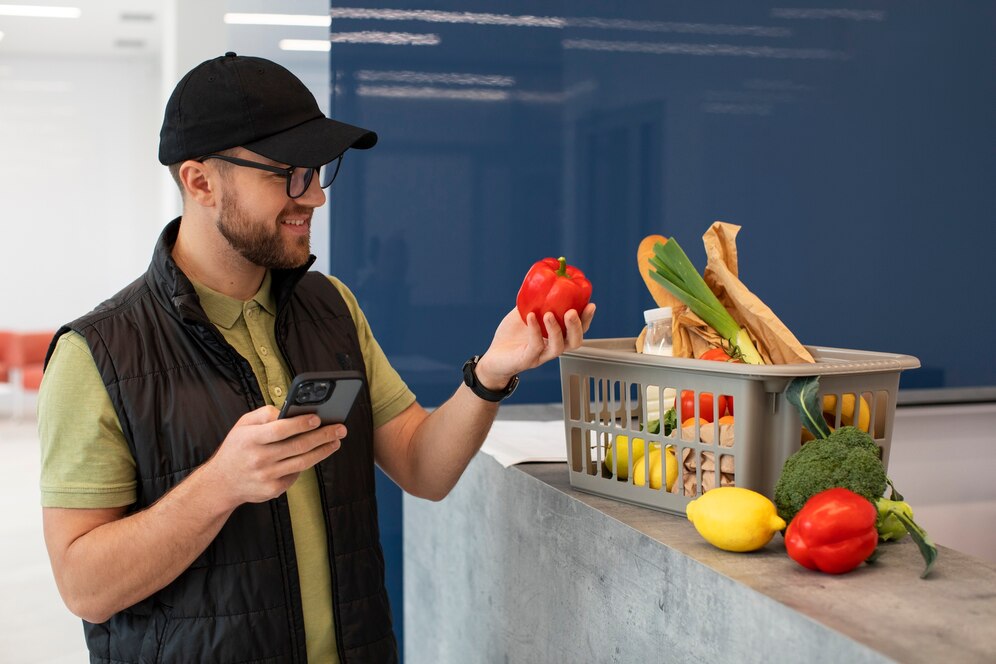

In an era where food safety is paramount, the implementation of effective compliance systems is crucial for food businesses. With the global food safety monitoring systems market surpassing USD 4.1 billion in 2024 and projected to grow at a CAGR of 7% through 2034, it is evident that the industry is evolving rapidly. This article delves into the tools and technologies that simplify operations within food safety compliance, ensuring that businesses not only meet regulatory requirements but also enhance their operational efficiency.
Understanding Food Safety Compliance
A robust food safety and compliance system refers to the adherence to regulations and standards that ensure the safety and quality of food products. These regulations are designed to protect consumers from foodborne illnesses and ensure that food is produced, handled, and distributed safely. Such a system involves a range of practices, including proper food handling, sanitation, and traceability.
In recent years, the food industry has witnessed a significant shift towards automation and digital solutions to strengthen the food safety and compliance system. Approximately 67% of food manufacturing firms have introduced automation technologies in their safety analysis operations, with nearly 50% reporting a significant reduction in human error following the deployment of automated solutions. This trend highlights the importance of integrating technology into food safety practices.
The Importance of Training in Food Safety Compliance
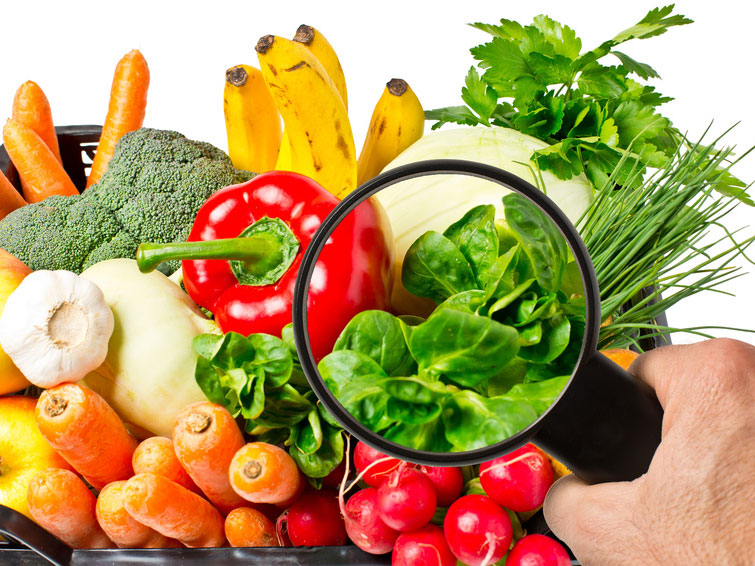
Training is a critical component of any food safety compliance system. According to experts, “Training must be embedded into daily operations rather than treated as a one-time event.” Continuous training ensures that employees are well-informed about the latest food safety practices and regulations, which is essential for maintaining compliance.
Moreover, regular training sessions help to foster a culture of safety within the organisation. Employees are more likely to adhere to safety protocols when they understand their importance and are regularly reminded of best practices. This ongoing education can significantly reduce the risk of foodborne illnesses and enhance overall food safety.
More about: Food Safety Compliance and Risk Management: Minimising Business Risks
Key Components of a Food Safety Compliance System
A robust food safety compliance system comprises several key components that work together to ensure safety and quality. These include:
- Hazard Analysis and Critical Control Points (HACCP): This systematic approach identifies potential hazards in the food production process and establishes critical control points to mitigate risks.
- Traceability: Effective traceability systems allow businesses to track food products throughout the supply chain, ensuring that any safety issues can be quickly addressed.
- Documentation and Record Keeping: Maintaining accurate records of food safety practices, training sessions, and compliance checks is essential for demonstrating adherence to regulations.
- Regular Audits and Inspections: Conducting regular audits helps identify areas for improvement and ensures that compliance measures are being followed.
Technological Innovations in Food Safety Compliance
The integration of technology into food safety compliance systems has revolutionised the industry. Recent developments, such as the launch of advanced AI-powered hazard detection modules, enable predictive analytics and real-time monitoring across thousands of facilities worldwide. For instance, SafetyChain Software’s new module allows for 24/7 hazard detection, significantly enhancing the ability to manage food safety risks proactively.
Furthermore, machine learning models like FINDER have demonstrated their efficacy in improving health inspection accuracy. Restaurants identified by FINDER were found to be 3.1 times more likely to be deemed unsafe during inspections compared to those identified by traditional methods. This highlights the potential of AI and machine learning in enhancing food safety compliance.
Automation and Its Impact on Compliance
Automation technologies play a pivotal role in simplifying food safety compliance operations. By automating routine tasks such as monitoring temperature controls, tracking inventory, and managing documentation, businesses can significantly reduce the burden on staff and minimise human error.
Moreover, automation allows for real-time data collection and analysis, enabling businesses to respond swiftly to potential safety issues. For example, automated systems can alert managers to deviations from established safety protocols, allowing for immediate corrective actions. This proactive approach not only enhances compliance but also improves overall operational efficiency.
The Role of IoT in Food Safety
The Internet of Things (IoT) has emerged as a game-changer in the food safety landscape. IoT devices can monitor various parameters such as temperature, humidity, and contamination levels in real-time. This data can be transmitted to central systems for analysis, providing valuable insights into food safety practices.
For instance, a smartphone-based food traceability system using RFID technology and smartphone sensors has been proposed to enhance transparency and safety in the kimchi supply chain in Korea. Such innovations not only improve compliance but also empower consumers with information about the food they purchase.
Challenges in Implementing Food Safety Compliance Systems
Despite the advancements in technology, several challenges remain in implementing effective food safety compliance systems. One of the primary obstacles is the resistance to change within organisations. Employees may be accustomed to traditional methods and may require additional support and training to adapt to new technologies.
Additionally, the cost of implementing advanced compliance systems can be a barrier for smaller businesses. However, the long-term benefits of improved safety, reduced liability, and enhanced consumer trust often outweigh the initial investment. It is essential for businesses to view food safety compliance as an integral part of their operations rather than a regulatory burden.
Strategies for Successful Implementation
To successfully implement a food safety compliance system, businesses should consider the following strategies:
- Conduct a Thorough Assessment: Evaluate current practices and identify areas for improvement. This assessment will help determine the specific needs of the organisation and guide the selection of appropriate tools and technologies.
- Engage Employees: Involve staff in the implementation process to foster a sense of ownership and commitment. Providing training and resources will empower employees to embrace new practices.
- Invest in Technology: Choose technology solutions that align with the organisation’s goals and budget. Consider scalable options that can grow with the business.
- Monitor and Adjust: Regularly review the effectiveness of the compliance system and make necessary adjustments. Continuous improvement is key to maintaining high standards of food safety.
The Future of Food Safety Compliance
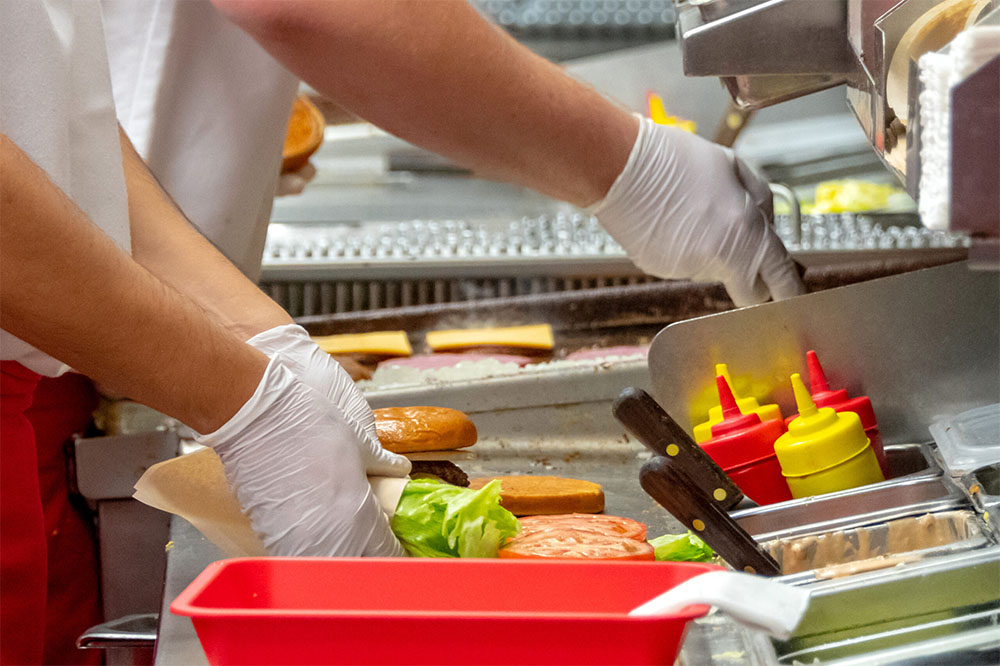
As the food industry continues to evolve, the future of food safety compliance will likely be shaped by ongoing technological advancements and regulatory changes. The integration of AI, big data, and IoT will further enhance the ability of businesses to monitor and manage food safety risks effectively.
Moreover, as consumer awareness of food safety issues grows, businesses will be under increasing pressure to demonstrate their commitment to compliance. Transparency and traceability will become even more critical, with consumers demanding to know the origins of their food and the safety measures in place.
Conclusion
In conclusion, the implementation of a food safety compliance system is essential for businesses operating in the food industry. By leveraging technology, investing in training, and fostering a culture of safety, organisations can simplify operations and enhance compliance. As the market for food safety monitoring systems continues to grow, embracing these tools will not only ensure regulatory adherence but also contribute to the overall success and sustainability of food businesses.
Learn more: Food Safety Compliance and Risk Management: Minimising Business Risks
FAQs on Food Safety and Compliance System
A food safety and compliance system is a structured framework of regulations, standards, and practices designed to ensure that food is produced, handled, stored, and distributed safely. It protects consumers from foodborne illnesses and helps businesses meet regulatory requirements.
It is important because it safeguards public health, prevents foodborne outbreaks, helps businesses avoid legal penalties, and builds consumer trust—leading to long-term success.
The main components include HACCP protocols, traceability, proper documentation, regular audits, employee training, and technology integration such as automation and IoT monitoring.
Automation reduces human error by streamlining tasks like temperature monitoring, inventory control, and documentation. It also provides real-time alerts for any deviations, ensuring faster corrective action.
IoT devices track conditions such as temperature, humidity, and contamination in real-time. Data collected is analyzed to detect risks quickly, making compliance more efficient and transparent.
Regular training ensures staff understand hygiene, food handling, and reporting protocols. This creates a safety-first culture and minimizes risks of violations or contamination.
Key challenges include high implementation costs, employee resistance to new technologies, and keeping up with evolving regulations. Small businesses often struggle with resource limitations.
The future lies in advanced technologies like AI, machine learning, and big data analytics, which will provide predictive insights, real-time monitoring, and greater traceability across the supply chain.