
In today’s globalised economy, food safety compliance and risk management have become paramount for businesses in the food industry. With an alarming statistic revealing that approximately 600 million people fall ill each year due to contaminated food, resulting in 420,000 deaths, the stakes have never been higher. This article delves into the intricacies of food safety compliance, the associated risks, and effective strategies to mitigate these risks while ensuring the safety of consumers.
The Importance of Food Safety Compliance
Food safety compliance is essential not only for protecting public health but also for maintaining the reputation and financial viability of food businesses. Compliance with food safety regulations, such as the Food Safety Modernization Act (FSMA), is crucial for minimising risks associated with foodborne illnesses. The FSMA mandates that food manufacturers implement preventive measures to ensure the safety of their products.
Moreover, compliance is not merely a legal obligation; it is a business imperative. A study by the Food Marketing Institute estimated that the average cost of compliance for small businesses ranges from $30,000 to $40,000 per year. While this may seem burdensome, the cost of non-compliance can be far greater, including legal fees, fines, and damage to brand reputation.
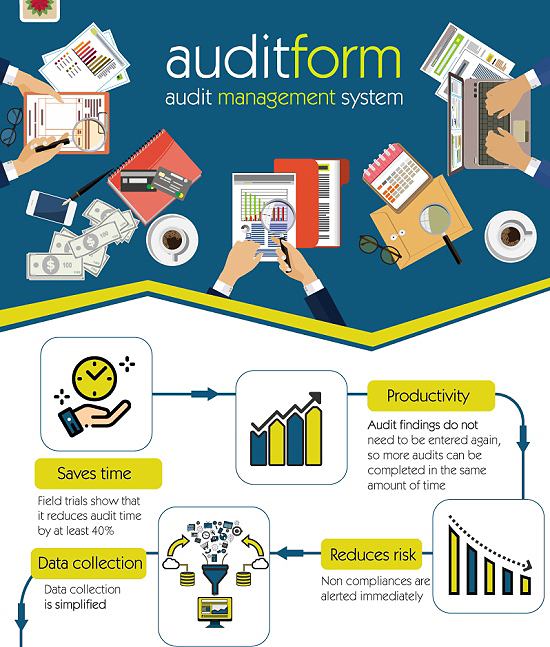
In addition, the introduction of the FDA’s ‘New Era of Smarter Food Safety’ in 2019 aims to assist small and medium-sized manufacturers in navigating compliance challenges. This initiative underscores the importance of adopting innovative solutions, such as food safety compliance management software, to streamline processes, reduce errors, and enhance overall food safety practices.
Understanding Food Safety Risks
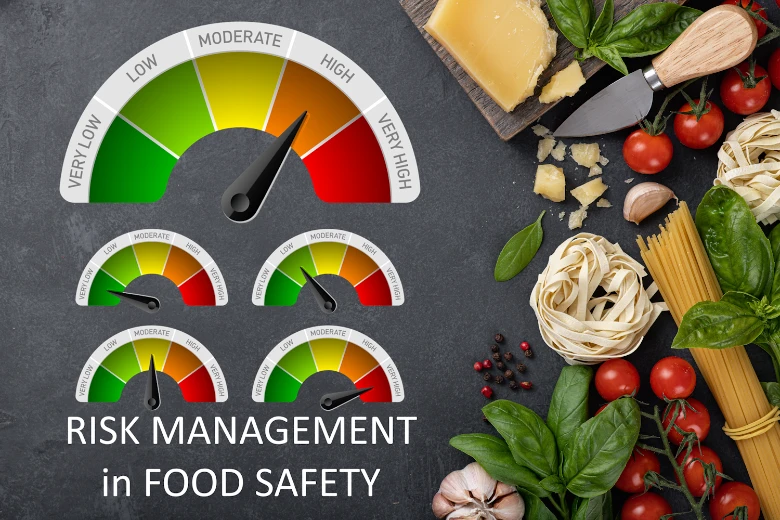
Food safety risks can arise from various sources, including biological, chemical, and physical hazards. Biological hazards, particularly bacterial infections, are the most significant contributors to foodborne illnesses. For instance, Campylobacter spp. is responsible for over 95 million cases annually, highlighting the urgent need for effective risk management strategies.
Chemical hazards, such as pesticide residues and veterinary medicinal product residues, also pose substantial risks. The CHEFS database consolidates monitoring data from the European Food Safety Authority (EFSA) to provide a structured dataset that can help businesses identify and mitigate these risks effectively.
Physical hazards, including foreign objects in food products, can also lead to serious health issues and legal ramifications. Understanding these risks is the first step in developing a comprehensive food safety management system.
More about: Food Safety Compliance System: Tools to Simplify Operations
Implementing Effective Risk Management Strategies
To minimise food safety risks, businesses must implement robust risk management strategies. This involves conducting thorough risk assessments to identify potential hazards and vulnerabilities within the food supply chain. Risk assessments should be regularly updated to reflect changes in operations, regulations, and emerging threats.
One effective approach is to adopt a Hazard Analysis Critical Control Point (HACCP) system. HACCP is a preventive framework that focuses on identifying critical control points in the production process where hazards can be controlled or eliminated. By establishing monitoring procedures and corrective actions, businesses can ensure that food safety standards are consistently met.
Training employees on food safety practices is also crucial. Clear, timely, and consistent messaging tailored to different consumer segments can significantly enhance risk communication efforts. Regular training sessions can empower staff to recognise potential hazards and respond appropriately, fostering a culture of safety within the organisation.
The Role of Technology in Food Safety Compliance
Technology plays a pivotal role in enhancing food safety compliance and risk management. From advanced monitoring systems to data analytics, technology can streamline processes and improve overall safety standards. For instance, digital traceability solutions allow businesses to track products throughout the supply chain, ensuring transparency and accountability.
Moreover, the use of artificial intelligence (AI) and machine learning can help predict potential food safety risks by analysing historical data and identifying patterns. This proactive approach enables businesses to address issues before they escalate, ultimately safeguarding public health.
Additionally, mobile applications can facilitate real-time reporting and communication among staff, ensuring that food safety protocols are adhered to consistently. Embracing technology not only enhances compliance but also fosters a culture of continuous improvement in food safety practices.
Challenges in Achieving Compliance
Despite the importance of food safety compliance, many businesses face significant challenges in achieving it. One of the primary obstacles is the complexity of regulations, which can vary significantly across regions and countries. This complexity can be particularly daunting for small and medium-sized enterprises (SMEs) that may lack the resources to navigate the regulatory landscape effectively.
Moreover, the perception of food safety risks among consumers can also pose challenges. An independent survey of over 100 fast food and restaurant operations directors and managers revealed key food safety risks that are often underestimated. Clear communication and education about these risks are essential for building consumer trust and confidence.
Finally, the financial burden associated with compliance can deter businesses from investing in necessary safety measures. However, it is crucial to view compliance as an investment in the long-term sustainability of the business rather than a mere expense.

Best Practices for Food Safety Compliance
To ensure effective food safety compliance, businesses should adopt the following best practices:
- Conduct Regular Audits: Regular internal and external audits can help identify compliance gaps and areas for improvement. These audits should be comprehensive and cover all aspects of food safety management.
- Engage Stakeholders: Involving all stakeholders, including suppliers, employees, and customers, in food safety initiatives fosters a collaborative approach to compliance. This engagement can lead to improved practices and a shared commitment to safety.
- Stay Informed: Keeping abreast of changes in food safety regulations and industry standards is crucial. Businesses should subscribe to relevant publications and participate in industry forums to stay informed.
- Implement Continuous Improvement: Food safety compliance should not be viewed as a one-time effort. Businesses should strive for continuous improvement by regularly reviewing and updating their safety practices based on feedback and new information.
Conclusion
Food safety compliance and risk management are critical components of running a successful food business. By understanding the importance of compliance, identifying potential risks, and implementing effective strategies, businesses can minimise risks and protect public health. Embracing technology and fostering a culture of safety will further enhance compliance efforts, ensuring that food businesses thrive in an increasingly complex regulatory landscape.
Ultimately, prioritising food safety is not just about meeting legal obligations; it is about building trust with consumers and contributing to a healthier society. As the food industry continues to evolve, businesses must remain vigilant and proactive in their approach to food safety compliance and risk management.
Learn more: Food Safety Compliance System: Tools to Simplify Operations
FAQs on Food Safety Compliance and Risk Management
Food safety compliance refers to following regulations and standards that ensure food is safe for consumption. It is vital for protecting public health, avoiding legal issues, and maintaining a company’s reputation.
The primary risks include biological hazards (like bacteria and viruses), chemical hazards (such as pesticides and residues), and physical hazards (like foreign objects in food).
Compliance reduces risks of foodborne illness, prevents costly legal penalties, boosts consumer trust, and ensures long-term business sustainability.
Hazard Analysis Critical Control Point (HACCP) is a preventive system that identifies and monitors key points in the food production process to eliminate or control hazards.
Technology such as compliance management software, digital traceability systems, AI, and IoT enables real-time monitoring, reduces human error, and improves transparency across the food supply chain.
Common challenges include complex regulations across regions, financial costs of compliance, resistance to change within organisations, and underestimation of risks by staff or consumers.
According to the Food Marketing Institute, small businesses spend around $30,000–$40,000 annually on compliance. However, non-compliance can result in much higher costs due to fines, recalls, or reputational damage.
Continuous training ensures employees understand and follow best practices, helping reduce errors, prevent contamination, and foster a culture of safety.
Risk management involves assessing potential hazards, updating assessments regularly, and implementing strategies to mitigate risks across the supply chain.
Best practices include conducting regular audits, engaging stakeholders, staying updated with regulations, adopting compliance software, and committing to continuous improvement.